Autism and Play: Encouraging Interaction and Learning
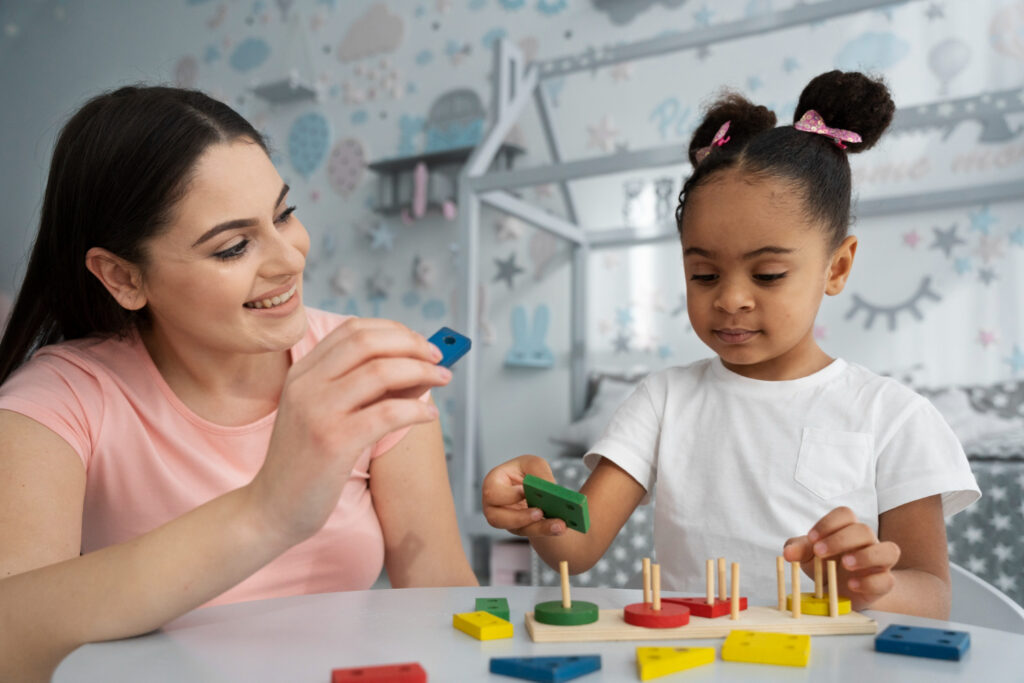
Play is an essential part of childhood, offering children opportunities to develop social, emotional, and cognitive skills. For children with Autism Spectrum Disorder (ASD), play can present challenges, but it is also a powerful tool for growth. At HOPE Centre for Autism, we believe in using play-based strategies to encourage interaction and learning. In this blog, we explore the importance of play, types of play suitable for children with autism, and practical strategies to promote engagement. The Importance of Play in Autism Play allows children with autism to explore their environment, improve communication, and build relationships. It provides these key benefits: Types of Play for Children with Autism Different kinds of play can address various developmental areas. Below are some types of play recommended by HOPE Centre for Autism: 1. Parallel Play In parallel play, children play side by side but independently. This can ease children into being comfortable around peers without the pressure to interact directly. 2. Imitative Play Children with autism can benefit from activities that involve mimicking behaviors, such as copying sounds, gestures, or movements. This helps build communication and motor skills. 3. Sensory Play Sensory play involves activities like playing with sand, water, or textured objects to stimulate different senses. It can help children regulate sensory input and develop fine motor skills. 4. Structured Play Games with clear rules, like puzzles or board games, offer predictability, which many children with autism find reassuring. Structured play helps improve focus and encourages following instructions. 5. Pretend Play Though pretend play can be challenging for children with autism, encouraging role-play activities can improve creativity, empathy, and problem-solving. Strategies to Encourage Play and Interaction Promoting meaningful play experiences for children with autism requires patience and intentional effort. Here are strategies used at HOPE Centre for Autism to encourage interaction and learning through play: 1. Create a Safe and Predictable Environment Ensure the play area is calm, organized, and free from overwhelming stimuli. Children feel more comfortable engaging when the environment is predictable. 2. Use Visual Supports Visual aids, such as picture schedules or instructions, help children understand how to engage in play activities. This approach reduces anxiety and provides clarity. 3. Incorporate Special Interests Many children with autism develop deep interests in specific subjects. Incorporating these interests into play activities fosters engagement and enthusiasm. 4. Encourage Peer Interaction Organized group activities or supervised playdates with peers can improve social skills. Gradually exposing children to group play helps them build friendships and learn collaboration. 5. Celebrate Small Successes Praise and positive reinforcement encourage children to participate more actively in play. Acknowledging small achievements boosts their confidence and motivation. Play-Based Therapy at HOPE Centre for Autism At HOPE Centre for Autism, we integrate play into our therapeutic approach to promote learning and interaction. Our programs include: Conclusion Play is not just fun; it’s a gateway to meaningful learning and interaction for children with autism. With the right support and strategies, play can become a valuable tool for building social connections, developing communication skills, and fostering emotional growth. At HOPE Centre for Autism, we are committed to helping children with autism thrive through personalized, play-based therapies. If you’re looking for guidance on encouraging your child to play and learn, contact us today. Together, we can turn every play session into an opportunity for growth.
Autism and Play: Encouraging Interaction and Learning Read More »